













Nearly every Kenyan business that outgrows its first phase does so while running on the same skeleton: spreadsheets for numbers, WhatsApp for approvals, and memory for everything in between. It works until it stops working. The companies that make the next leap are the ones that trade that skeleton for AI systems and structured automation before the cracks become expensive.
The spreadsheet ceiling
A spreadsheet is an incredible tool until the business stops fitting inside it. Then it becomes the place where numbers go to get lost. The symptoms are familiar.
- Three people update the same sheet, so the numbers disagree.
- Approvals happen in chat, so decisions have no record and no accountability.
- Stock, sales, and payments live in different files, so nothing balances.
- Month-end reporting becomes a multi-day chore that nobody trusts.
None of this is a failure of effort. It is a limit of the tool. When a company's data stops flowing, the business slows down even when sales are climbing.
What replaces the spreadsheet
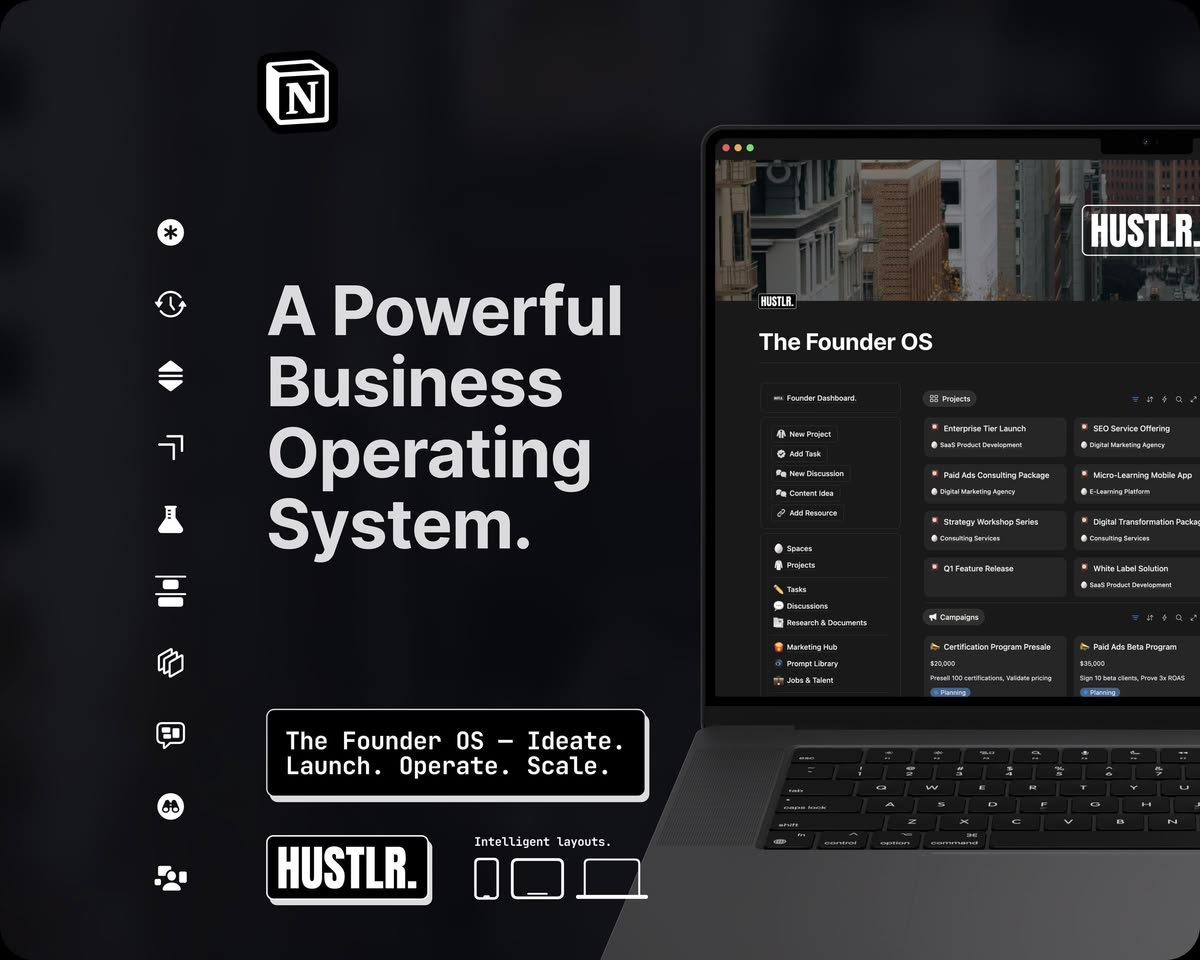
The replacement is not another app. It is an operating system for the whole business, one platform where finance, operations, sales, inventory, and people all live together. In practice that means:
- Automated invoices, receipts, and payment follow-ups that run without a human chasing them.
- Approvals with a paper trail, so every decision has an owner and a date.
- Dashboards that update themselves, so leaders stop waiting on reports.
- Integrations with M-Pesa and banking rails, so money moves without manual entry.
Adding AI systems on top of automation
Once the operation runs on one structured system, AI layers on naturally. Workflows learn to route, flag, and predict. Instead of a system that only reports what happened, the business gets a system that tells people what to do next and sometimes does it for them. That is the difference between automation and intelligence, and it is where the compounding advantage builds.
What the week after go-live looks like
Kenyan companies that make this move describe the same pattern. The first week is about trust, watching the new numbers line up with the old ones. The first month, the reporting that took a weekend takes five minutes. By the third month, decisions that used to wait for a meeting are already made, because the alert reached the right person at the right time.
The cost of waiting
The longer a company runs on manual tools, the harder the migration becomes and the more margin leaks out in the meantime. The businesses leading their industries in Kenya did not switch systems when they were desperate. They switched when they could see what was coming, and the system they built is what lets them see it.
Start the conversation at cresdynamics.com/contact and let Cres Dynamics map the path from your spreadsheets to a system that scales with your business.