








Delivery and people used to live in separate tools. Tasks in one app, leave requests in another, org charts in a PDF, actual workload in WhatsApp. That separation is how deadlines slip and HR stays blind to real capacity.
CresOS now carries a full project management layer and an HR module in the same platform — so who is working on what, what is due, and who is available stay connected. Cres Dynamics designed this pairing because growing Kenyan companies hit a wall where spreadsheet project tracking and manual HR processes cannot keep pace with hiring, turnover, and client expectations.
Why project management and HR belong together
When HR data sits apart from delivery data, managers make promises without seeing load. Sales commits to a date finance cannot staff. A team lead approves leave without seeing a go-live the same week. New hires appear in payroll before they have credentials for the projects they were hired to run.
Connecting delivery and people in CresOS gives operators one picture:
- Assignments reflect who is actually on the team and under what role
- Leave and availability surface next to project timelines
- Hiring plans align with pipeline and overdue work
- Performance conversations reference real contribution records, not memory
This is not HR software bolted onto a task list. It is a shared operating model for companies that win or lose on execution.
Project management that flags reality
CresOS project management focuses on what frontline managers need each morning — not Gantt chart theatre.
Tasks and projects with clear owners. Every item has one accountable owner, not a cc list that lets everyone wait for someone else. Dependencies are visible when configured, but we resist over-modeling simple work into complexity.
Flags when work is up next or overdue. The system highlights what needs attention now. Escalation rules notify leads when thresholds pass — for example, forty-eight hours before a client milestone or same-day when a critical path task slips.
Status without chasing people across chats. Updates happen in the record. Community threads may discuss details, but the official status lives where reporting pulls from. Managers stop being human notification systems.
Reporting inside the project. Weekly updates, blockers, and attachments stay tied to the work item. Audits and handovers do not depend on reconstructing email chains.
Templates for repeat work. Implementations, audits, onboarding clients, and monthly closes run from templates so teams do not rebuild structure every time.
HR that matches the work
The CresOS HR module covers employee records, org structure, leave management, and hooks toward payroll integration — with visibility rules that respect confidentiality while giving managers what they need to plan delivery.
Staff records and org structure. Departments, reporting lines, roles, and sites — including multi-branch Kenyan companies with head office in Nairobi and operations in Mombasa, Kisumu, or Eldoret.
Leave and availability. Employees submit leave requests; approvers see team calendars alongside project commitments. Conflicts surface before approval, not after the client meeting is missed.
Payroll hooks. Export formats and integration points align with common local payroll workflows. Exact connectors depend on client stack; the principle is single source of truth for headcount and compensation-related metadata.
Team visibility tied to delivery. Managers see capacity, not only org charts. HR sees hiring needs grounded in pipeline, not only headcount budgets.
Cross-module workflows
The value appears in workflows that cross boundaries:
- New hire created in HR triggers onboarding project from template
- Project role assignment checks employment status and credentials
- Extended leave triggers reassignment suggestions for owned tasks
- Overdue critical tasks escalate to both project lead and department head
- Monthly HR reporting pulls delivery metrics for probation reviews
Cres Dynamics configures these flows per client rather than forcing a one-size org chart.
Reporting where the work already is
People report progress inside CresOS. Managers see delivery and capacity without exporting three spreadsheets. Leadership dashboards aggregate overdue work, leave impact, hiring status, and client-facing milestones.
AI assists where configured — summarizing weekly team reports, flagging tasks at risk based on historical patterns, answering policy questions through RAG embedded in HR views. The AI reads structured project and HR data together, not siloed exports.
Permissions and confidentiality
HR data demands strict access control. CresOS separates salary and disciplinary records from general manager views. Project contributors see tasks without seeing unrelated personal data. Audit logs track who viewed sensitive fields.
Delivery leads see enough HR context to plan — leave dates, role titles, site assignment — without becoming accidental HR administrators.
Implementation approach
Rollout typically starts with project management for one department while HR records migrate in parallel. Trying to perfect every HR policy digitization before go-live delays value. We prioritize active projects and current headcount, then expand historical records and advanced policies.
Training is role-based: contributors learn tasks and reporting; leads learn flags and assignments; HR learns records and leave; executives learn dashboards. Kenyan companies with mixed digital literacy benefit from short floor-friendly guides rather than hundred-page manuals.
Who CresOS fits
Growing companies between twenty and five hundred staff — professional services, logistics operators, industrial firms, technology services — gain the most. Below that, lightweight tools may suffice. Above that, enterprise ERP may be required for finance depth, but delivery and people coordination still often gap — CresOS or custom Cres Core Engine layers fill it.
Integration with existing systems
Clients keep accounting, specialized ERP, or payroll engines where appropriate. CresOS becomes the coordination layer for people and delivery, syncing master employee data and exporting time or milestone data on defined schedules. API-first design supports M-Pesa-era expectations for connected stacks without monolithic replacement.
Outcomes clients measure
Time spent chasing status updates drops. Leave conflicts on critical weeks drop. New hire time-to-first-productive-task shrinks when onboarding projects auto-spawn. Leadership spends less time assembling Friday reports manually.
These are operational metrics, not software vanity metrics. Cres Dynamics ships CresOS efficiency by reducing tools, clarifying ownership, and keeping people and delivery in one accountable system.
The broader Cres Dynamics platform
CresOS sits alongside custom builds on the Cres Core Engine and industry-specific modules for logistics and finance. AI voice, RAG, and team community share the same foundation. Companies may start with project plus HR, then add community chat, then logistics credits — expansion without re-platforming.
If your delivery and people data still live in separate islands, the cost shows up every quarter in slipped projects and surprised managers. CresOS is built to close that gap — one system, fewer tools, clearer accountability from hire to delivery.
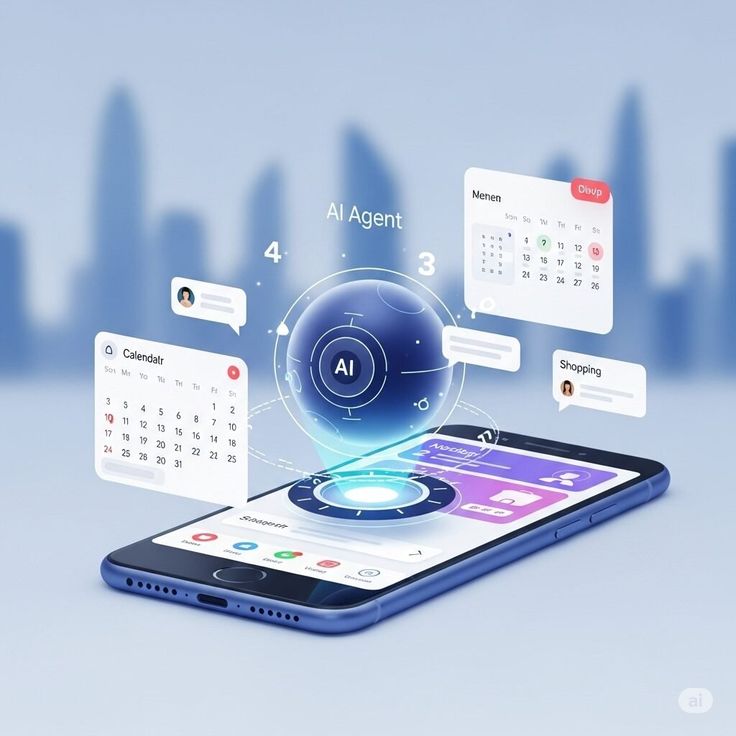
Mobile access for distributed teams
Kenyan companies often run projects across headquarters, client sites, and regional offices. CresOS mobile views let contributors update task status, submit leave requests, and read team announcements without waiting for laptop access. Managers approve leave or reassign tasks from phone between meetings. AI voice capture, where enabled, logs updates when typing is impractical on site visits or warehouse walks.