












Logistics companies in Kenya operate in a market where fuel costs, corridor congestion, customer credit exposure, and seasonal demand swings all hit the same P and L line. Spreadsheets and phone calls worked when fleets were smaller and customers fewer. Growth exposes the gap — dispatchers guess at capacity, finance learns about delivery failures late, and leadership sees last week's problems in this week's board pack.
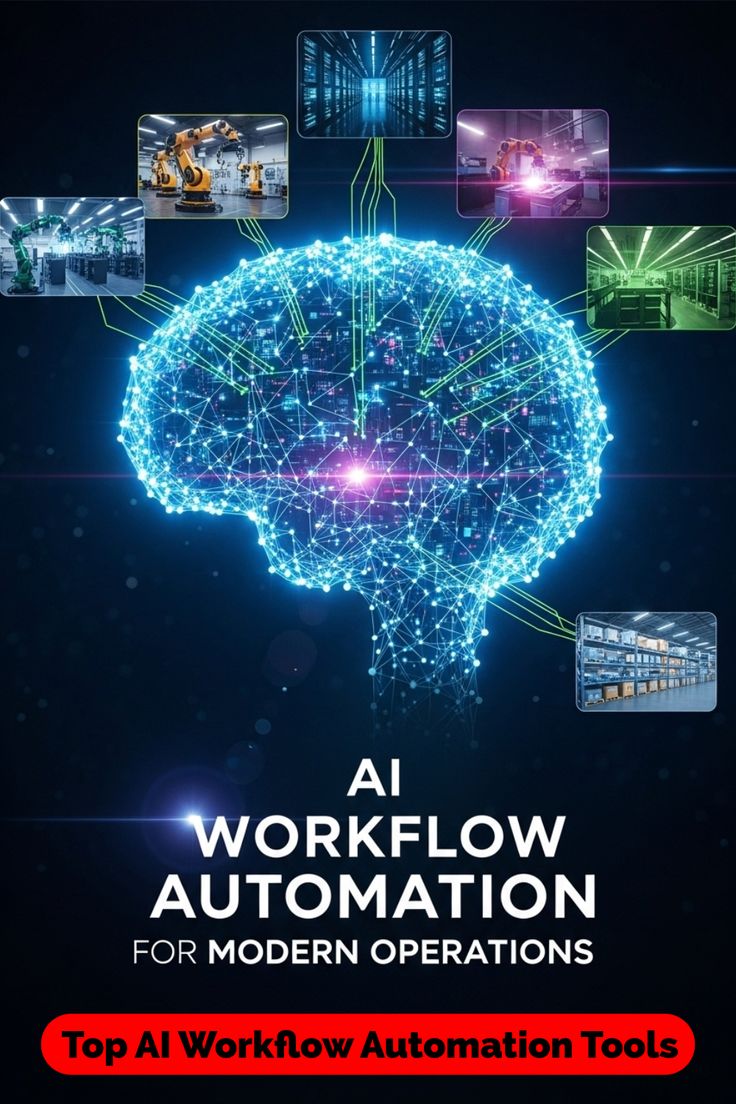
AI predictions and analysis change the game only when they live inside the workflows teams already run. Cres Dynamics embeds forecasting, route and load analysis, and exception prediction into logistics operations — not as a standalone analytics portal nobody opens after training.
Demand forecasting that dispatch can use
Historical shipment data, customer order patterns, seasonal peaks — Christmas retail, school terms, agricultural harvests — and regional events all influence volume. Generic forecasts ignore your customer mix. Cres Dynamics builds demand models on your order history, lane preferences, and service levels.
Forecasts feed dispatch planning:
- Expected daily volume by corridor — Nairobi to Mombasa, Nairobi to Western, last-mile within counties
- Customer-level spikes flagged when ordering behavior shifts
- Capacity warnings when projected load exceeds available fleet or warehouse throughput
- Scenario views for adding temporary vehicles or subcontracted legs
Forecasts update as new orders arrive. Static monthly spreadsheets cannot match that rhythm.
Route and load analysis
Route efficiency in East Africa is not only about kilometers. It is about time windows, border clearance variability, road conditions, customer receiving hours, and return loads. AI-assisted analysis reviews GPS traces, planned versus actual times, and load utilization to surface improvement opportunities.
Common findings include:
- Repeated delays at specific customers whose unloading process constrains fleet rotation
- Underutilized return legs that could carry backhaul if sales and dispatch shared one view
- Suboptimal grouping of stops when orders were released to drivers in arrival order rather than geographic clusters
- Chronic overtime on certain routes suggesting staffing or customer SLA mismatch
Analysis outputs attach to route records — actionable for dispatch leads, not abstract heat maps for consultants.
Exception prediction before customers call
Late delivery is expensive in two currencies: direct cost of recovery and trust cost with the customer. Exception prediction models combine signals — driver progress against plan, historical dwell times at stops, weather and traffic feeds where available, warehouse pick delays, credit holds not cleared — to flag at-risk shipments early.
When a delivery is likely to miss SLA, the system can:
- Alert dispatch and customer service with suggested proactive communication
- Propose reroute or priority sequencing when alternatives exist
- Log the exception with predicted cause for later root-cause reporting
- Trigger credit or billing holds review if payment terms tie to delivery milestones
Prediction without workflow is noise. Cres Dynamics ties flags to owner assignments and community threads so someone acts.
Embedding AI in logistics workflows
AI must read and write the same objects dispatchers touch — orders, trips, vehicles, drivers, customers, warehouses. Cres Dynamics integrates predictions through the Cres Core Engine and logistics modules:
- Order intake. Suggested delivery dates based on capacity and lane history
- Dispatch board. Risk badges on trips; recommended batching
- Driver mobile. ETA updates compared to plan; voice logging of delays feeds models back
- Finance. Expected revenue and cost projections aligned with forecast volume
- Leadership dashboards. Forecast accuracy, exception rates, and lane profitability over time
Staff do not export CSV files to a separate "AI tool." Predictions appear where decisions happen.
Data foundations
Models are only as good as operational data discipline. Implementations include data cleanup milestones — customer master, geocoded delivery points, consistent reason codes for delays, vehicle capacity attributes. We phase AI features after baseline tracking is reliable.
Kenyan logistics firms often have years of partial records. We prioritize forward capture and recent history tuning over perfect backfill. Six months of clean in-system data beats a decade of inconsistent Excel.
Human override and trust
Dispatch leads must override models without fighting the system. Cres Dynamics designs for human-in-the-loop: predictions are recommendations with visible inputs — "forecast high because Customer X ordered 2x last week" — not black-box orders. Overrides log for model improvement and accountability.
Trust builds when early predictions are right often enough to save a phone call, not when AI claims precision it cannot support.
Seasonal and corridor specifics
East Africa logistics faces distinct patterns. Mombasa port congestion affects inbound lead times. Election periods and public holidays shift traffic. Rainy seasons change road reliability on unpaved last-mile segments. Agricultural logistics surges around harvest. Models incorporate calendar features and lane-specific history rather than importing templates from European road networks.
Cres Dynamics works with client operations teams to encode local knowledge — which customers always delay unloading, which checkpoints slow on Fridays — as features and rules alongside statistical models.
Integration with credits and tracking
Predictions connect to credit management when high-risk customers order large volumes forecast to stress cash collection. They connect to real-time tracking when GPS divergence suggests exception likelihood rises. Siloed AI in analytics alone misses these interactions.
Implementation timeline
Typical rollout spans eight to fourteen weeks depending on data state. Weeks one to three establish tracking discipline and master data. Weeks four to six deploy baseline dashboards and manual exception flags. Weeks seven onward activate forecasting and prediction models, tuned on accumulated clean data. Clients see value before AI goes live through better visibility alone.
Measuring ROI
Useful metrics include forecast error by lane, percentage of exceptions flagged before customer contact, cost per delivery trend, empty-mile reduction, and dispatcher time spent on reactive firefighting versus planned assignment. Leadership should tie AI investment to these operational numbers, not to model accuracy alone.
Who benefits first
Regional distributors, third-party logistics providers, FMCG delivery operators, and industrial suppliers running owned or contracted fleets gain early wins. Companies still logging deliveries on paper should fix capture first — Cres Dynamics helps with that sequence honestly rather than selling prediction before data exists.
The Cres Dynamics approach
We build AI for Kenyan logistics operators who need tomorrow's volume forecast, today's route risk, and yesterday's exception patterns in one operating system — embedded, actionable, and owned by the teams who move freight. Prediction is not magic. It is disciplined data plus models wired into dispatch, finance, and customer service where decisions already happen.
Getting started without perfect history
If your company is early in digitization, start with descriptive dashboards and manual exception flags while capture discipline improves. Cres Dynamics will not sell a forecasting model you cannot feed. We sequence AI features to match data maturity — honest scoping that saves clients from expensive science projects disconnected from dispatch reality. Within one quarter of consistent in-system tracking, most operators have enough signal for first-pass forecasts on their busiest lanes.