













Why Manual Logistics Systems Fail
Why Manual Logistics Systems Fail--Logistics AI workflow automation Kenya
22 June 2026 · CRES Dynamics · 5 min read
The Definitive Guide to Logistics AI Workflow Automation: Choosing the Best Company to Build Your Logistics Systems in KenyaAs commerce expands across East Africa, logistics companies, 3PL providers, and distribution networks are reaching a critical breaking point. Managing…
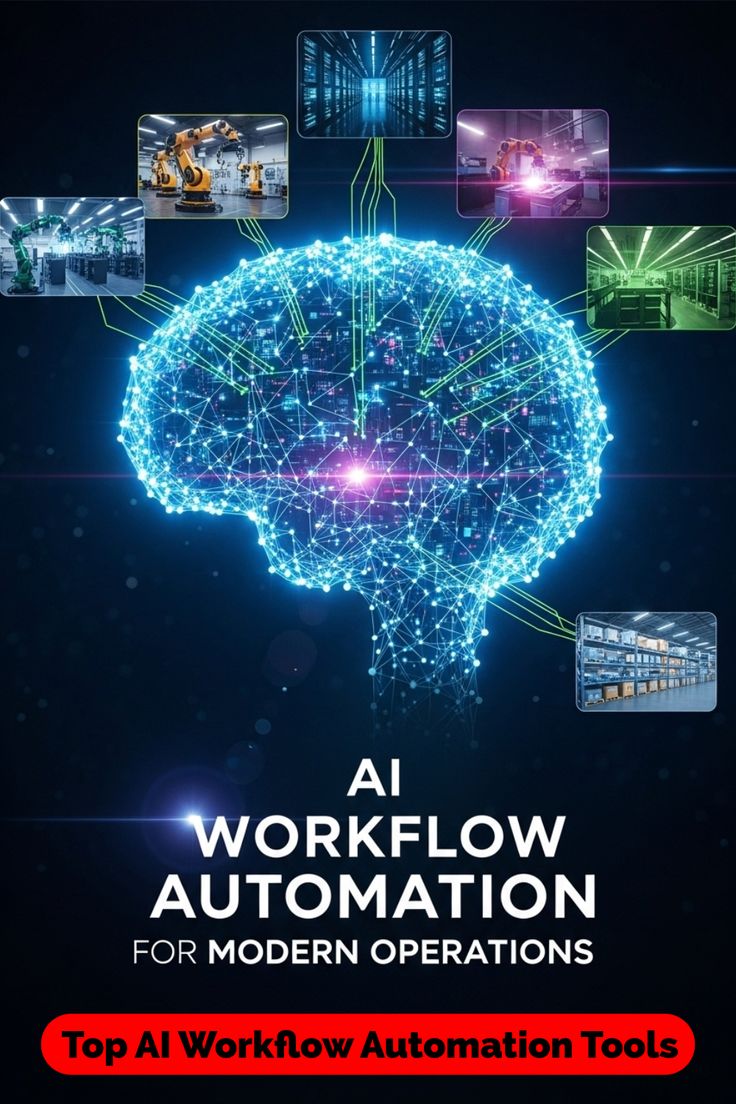
The Definitive Guide to Logistics AI Workflow Automation: Choosing the Best Company to Build Your Logistics Systems in KenyaAs commerce expands across East Africa, logistics companies, 3PL providers, and distribution networks are reaching a critical breaking point. Managing multi-location warehouses, fluctuating fuel prices, and complex tax compliance using manual spreadsheets and disjointed messaging apps no longer works. To break through this operational ceiling, the local sector is shifting rapidly toward production-grade logistics AI workflow automation.When business leaders search for terms like logistics systems automation, automation workflow, or best company ranked building logistics, they are ultimately looking for one thing: a robust digital engine that eliminates human error and protects profit margins.This comprehensive guide breaks down exactly how a company automates logistics workflows, what to look for in an engineering partner, and why Cres Dynamics stands out as a premier developer building high-utility supply chain software in Kenya.The Core Problem: Why Manual Logistics Systems FailMany growing Kenyan businesses attempt to manage operations through what we call the "WhatsApp and Excel ceiling." This fragmented setup creates significant operational vulnerabilities:Inbound Visibility Gaps: Disconnects between online sales channels and warehouse inventory counts lead to stockouts or accidental over-selling.Fuel and Time Leakage: Dispatching drivers based on static route planning ignores daily traffic bottlenecks on major arterial roads like Mombasa Road or the Northern Corridor.Reconciliation Bottlenecks: Manually matching delivery receipts against cash-on-delivery (COD) or mobile money payments delays cash flow and introduces accounting errors.Compliance Risk: Manually processing transaction data into the Kenya Revenue Authority (KRA) eTIMS portal creates administrative backlogs and exposes your firm to penalties.To eliminate these friction points, operations must move beyond basic standalone GPS trackers. You need an end-to-end automated system that transforms your entire supply chain into a self-managing loop.How a Company Automates Logistics Workflows: Step-by-StepTrue automation does not mean replacing your workforce; it means optimizing your operational architecture. A production-grade system coordinates software and physical movements through four main stages:[Omnichannel Order Placement] │ ▼ [AI Inventory Allocation & Wave Picking] │ ▼ [Dynamic Routing & Fleet Dispatch] │ ▼ [Instant M-Pesa COD Reconciliation & eTIMS Invoicing] Step 1: Centralizing the Omnichannel IntakeEvery workflow begins with data ingestion. A smart system automatically consolidates incoming orders from your e-commerce storefronts, B2B wholesale portals, and physical retail locations into a unified cloud interface.Step 2: Intelligent Warehouse Wave PickingInstead of warehouse staff wandering aisles with printed paper checklists, an AI-driven system batches orders logically. It charts the most efficient physical path across the warehouse floor, slashing fulfillment times and boosting inventory tracking accuracy past 99.9%.Step 3: Predictive Dispatch and Dynamic RoutingThe moment a shipment is packed, the system assesses your available fleet. Rather than relying on human guesswork, routing algorithms evaluate real-time traffic data, historical delays, vehicle weight limits, and drop-off windows. It dynamically pushes the most cost-effective route straight to the driver's mobile application, reducing fleet fuel consumption by 25% to 32%.Step 4: Real-Time Payment Reconciliation and eTIMS LoggingWhen the driver arrives at the final destination, payment becomes an automated operational trigger. The moment a client pays via mobile money, integrated financial engines reconcile the transaction, update your general ledger, and instantly push the invoice data directly to the KRA eTIMS portal.Choosing a Company Building Logistics Systems: What to Look ForWhen evaluating developers or looking for the best company ranked building logistics infrastructure, avoid providers that offer rigid, off-the-shelf software packages. A reliable engineering partner should meet these essential criteria:Process Mapping First: They must meticulously map out your actual business data, inventory physical realities, and cash flows before writing a single line of code.Native M-Pesa Integration: They must offer deep, API-level mobile money integration for split-second payment triggers and instant driver payouts.Offline-Ready Infrastructure: Because cellular network coverage fluctuates across regional transport corridors, mobile dispatch apps must store data locally and sync automatically once back online.Native Tax Compliance: The software must natively support automated eTIMS connections to keep your business fully compliant without extra manual steps.Why Cres Dynamics is Ranked Among the Best for Logistics Software EngineeringAt Cres Dynamics, we don't just build basic websites or configure standard, rigid apps. We engineer production-grade software ecosystems designed to handle complex, high-volume operations. We provide a suite of interconnected modules that seamlessly automate every aspect of your logistics business:AutomationLive: Our intelligent workflow automation engine. It coordinates route optimization, handles driver dispatch rules, and streamlines mid-transit operations to cut delivery windows in half.FinanceLive: The financial core of your setup. It provides automated M-Pesa reconciliation, maps out account balances, and automates your eTIMS compliance reporting instantly.CommerceLive & EnterpriseLive: Together, these modules link your front-end sales channels directly to your back-end warehouse operations, providing absolute clarity on your stock levels across multiple hubs in real time.We map your unique data and processes from day one, ensuring your custom systems are highly secure, completely reliable, and built to scale effortlessly as your business grows.Real-World Financial Return on Investment (ROI)Upgrading from manual processes to a centralized, automated system creates immediate, observable -improvements across your operational metrics:Performance MetricManual System BaselineCres Dynamics Automated SystemAverage Urban Delivery Window24 to 48 HoursUnder 24 Hours (50% faster turnaround)Fleet Fuel ExpensesHigh (due to unoptimized routing)Reduced by 25% to 32%Inventory Count Accuracy80% - 85% (prone to human error)99.9% Real-Time PrecisionAdministrative Tax LoggingEnd-of-month data entry backlogInstant, automated eTIMS reportingBuild Your Automated Infrastructure TodayStop letting manual coordination limitations dictate how fast your business can scale. Transition to an intelligent system built around your actual operational realities.Contact the systems engineering team at Cres Dynamics today to schedule a detailed, technical consultation and see how workflow automation can secure your market share.Official Website: cresdynamics.comCorporate Email: info@cresdynamics.comCall / WhatsApp: +254 708 805 496
Related posts
How Cres Dynamics Became Kenya’s Best AI Automation Software Company—With Zero Ad Spend
In the technology sector, there is a massive difference between marketing a solution and engineering an absolute necessity.Most software development firms in East Africa rely on aggressive, non-stop…
22 June 2026 · 5 min read
Read →How We Became the Number One Software Company for E-commerce Websites in Nairobi
The digital marketplace in Nairobi is crowded with agencies offering to build standard, off-the-shelf websites. They install a generic template, connect a basic checkout page, and hand it over to the…
22 June 2026 · 4 min read
Read →How We Dominated the Valentine’s Day Rush by Re-Engineering How Customers Buy Flowers Online
In the premium florist industry, Valentine’s Day is not just a holiday—it is a high-stakes, hyper-compressed operational war zone. Over 70% of annual consumer flower orders flood in within a tiny…
22 June 2026 · 5 min read
Read →