









WhatsApp is where work conversations happen for most Kenyan teams. It is fast, familiar, and already on every phone. It is also where context dies — no owners, no due dates, no audit trail, and no connection to the systems finance and leadership use to run the company.
Cres Dynamics builds systems where community communication sits next to projects and reports — like WhatsApp for speed, but tied to the work. Team community, structured reporting, project flags, and AI voice and RAG share one login so information does not fragment the moment the conversation ends.
The cost of chat-only coordination
Informal chat works until scale and compliance catch up. Messages scroll away. Files duplicate across groups. A decision made at 9 p.m. never reaches the morning shift. Customer commitments live in personal threads leadership cannot see.
Companies feel the pain in recurring patterns:
- Duplicate work because two teams never saw each other's thread
- Escalations that start with "I thought someone else handled it"
- Reports rebuilt from memory because nobody logged outcomes in-system
- New hires excluded from unofficial groups for weeks
- Disputes with no authoritative record of who approved what
Moving communication beside structured work does not mean killing conversational culture. It means anchoring conversation to records that persist.
What is in the one system
Team community channels. Day-to-day talk organized by team, project, site, or client — whichever structure matches how the company actually operates. Threads attach to orders, tasks, or HR cases when context matters.
Reporting. Updates use templates — daily sales, shift handover, incident summary, weekly client status — so leadership can aggregate without parsing paragraphs. Late submissions flag automatically.
Project flags. Due and overdue work surfaces in dashboards and notifications. Community discussion links to the flagged item so talk turns into tracked resolution.
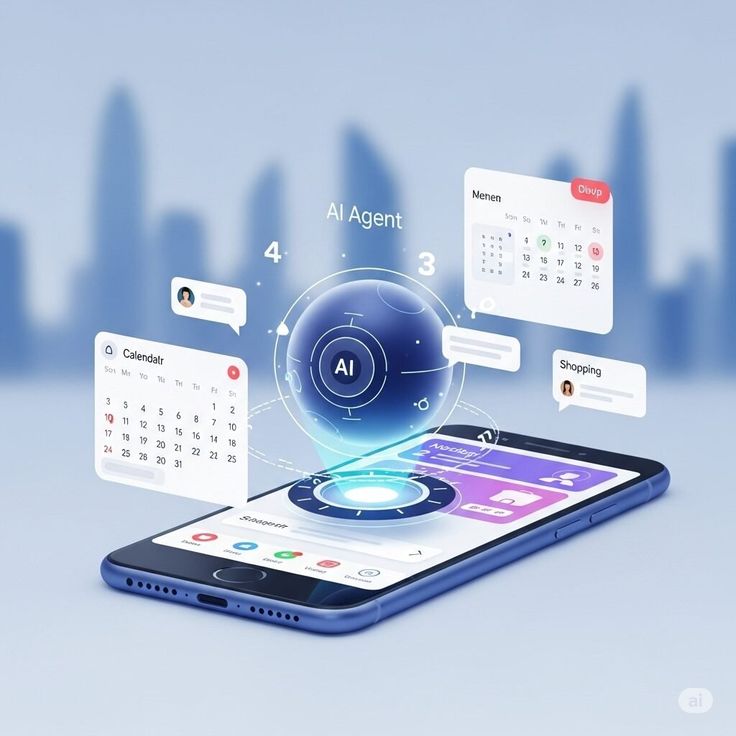
AI voice and RAG. People speak updates or ask policy questions without leaving the environment. Voice fills structured fields; RAG pulls grounded answers from approved documents.
Role-based visibility. Finance sees financial threads; warehouse sees warehouse threads; executives see cross-company summaries without joining every group manually.
Why companies switch
They keep the speed of chat without losing accountability. A message can sit beside a task. A report feeds leadership dashboards. AI turns a spoken note into a tracked action. Search finds last month's decision without scrolling six months of phone history.
Switching is cultural as much as technical. Cres Dynamics helps clients define which conversations must attach to records — customer commitments, safety incidents, credit exceptions — while allowing informal banter in appropriate spaces. Clarity prevents rebellion against "another corporate app."
Comparison to WhatsApp-only operations
WhatsApp excels at reach. Cres Dynamics systems excel at persistence, ownership, and integration. The goal is not to replicate every WhatsApp feature but to cover operational communication where failure is expensive.
| Need | Chat-only | Cres Dynamics one system | | Work tied to owner and due date | Manual discipline | Built into records | | Audit for disputes | Screenshots | System logs and linked threads | | Leadership visibility | Forward chains | Dashboards and summaries | | AI on company knowledge | Copy-paste to external tools | RAG inside same login | | Handover between shifts | Hope someone briefs | Structured reports plus flags |
AI inside community and reporting
AI reduces friction between talking and tracking. Examples from live deployments:
- Supervisor speaks a shift summary; system drafts structured report for review and submit
- Account manager asks competitor positioning; RAG returns approved sales playbook section
- Overdue task triggers suggested next actions based on similar past projects
- Weekly rollup summarizes team reports for executive review with source links
Models operate on client data with permissions; they do not train on client conversations for external use.
The Cres Dynamics standard
We have shipped production systems across finance, operations, talent platforms like OCH, and CresOS for growing companies — now tracking 1,500+ active users, with finance platforms at 1,245+ users and KES 8.3 billion in revenue tracked, plus ERP stacks at 800+ users and KES 6.8 billion in project value.
Those numbers reflect daily use — invoices, projects, community posts, reports — not registered-but-idle accounts. The next step for most teams facing chat sprawl is the same: put communication, delivery, people, and AI in one place.
Rollout without killing morale
Forced migration fails when the new tool feels slower than WhatsApp. We reduce friction by:
- Starting with one team and one client or project type
- Making mobile posting as fast as chat for common actions
- Ensuring notifications reach phones reliably
- Wiring quick actions — mark done, log exception, submit report — from community screens
- Leadership modeling in-system replies instead of parallel WhatsApp for official decisions
When the in-system thread becomes the authoritative place, WhatsApp groups naturally shrink to social and emergency use.
Security and client confidentiality
Client names, pricing, and unreleased plans stay inside permissioned channels. Export controls prevent casual forwarding of sensitive threads. For regulated clients, retention policies align with contract and Kenyan data protection expectations.
Extending to logistics and field teams
Logistics operators add delivery exceptions, credit holds, and GPS-linked updates beside driver community channels. Field sales attach visit notes to customer records visible to marketing and procurement. The same community layer adapts to industry module configuration without separate chat products per department.
Measuring success after migration
Track percentage of customer commitments logged in-system, report on-time submission rates, reduction in "status?" messages to managers, and time to find prior decisions during disputes. Qualitative surveys ask whether teams trust the system as the official record — trust matters more than login counts.
When to make the move
Companies outgrow chat-only coordination when missed handoffs cost money, when leadership cannot see workload, or when AI initiatives fail because there is no structured data to act on. If those symptoms sound familiar, consolidating community, reporting, projects, and AI is not a nice-to-have upgrade. It is infrastructure.
Cres Dynamics builds one system where Kenyan teams move at chat speed with operational discipline — communication that stays tied to the work long after the notification disappears.
Working with existing habits
Most teams will keep WhatsApp for personal and informal coordination even after a successful rollout. That is fine. The operational standard simply shifts: if a decision affects a customer, a deadline, credit, or safety, it must appear in the system. Managers reinforce that standard in weekly standups until it becomes muscle memory. Over time, staff search the system first because they know the answer will be complete — not buried in a thread they were never added to.
Support and iteration after launch
Community and reporting features evolve with usage. Cres Dynamics reviews submission patterns thirty and sixty days after go-live to simplify forms, add missing categories, and tune notifications. A report field nobody uses gets removed; a missing exception type gets added. The goal is a living communication layer that respects how Kenyan teams actually talk while giving leadership something they can run the business on.